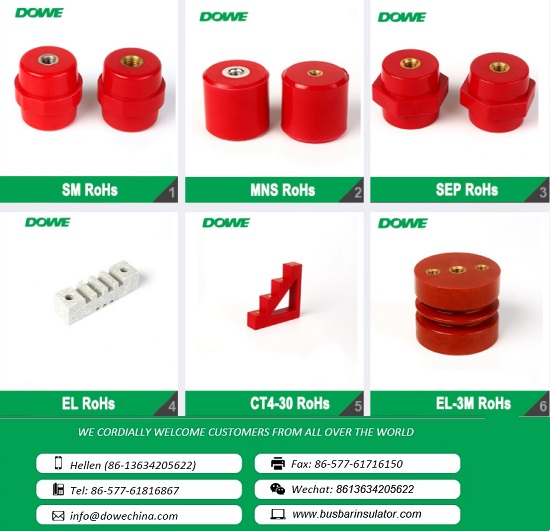


Description
Industry Background: The Critical Role of Insulation Integrity in Low-Voltage Distribution Systems
As global electrical infrastructure continues to expand and modernize, the demand for reliable low-voltage distribution systems operating between 660V and 4500V has intensified across industrial, commercial, and renewable energy sectors. However, this growth has exposed persistent technical challenges that compromise system safety and operational efficiency. Industry data reveals that insufficient creepage distance, inadequate high-temperature resistance, and failure to meet UL94-V0 flame retardancy standards remain the primary causes of costly downtime and safety incidents in switchgear applications.
The consequences of substandard insulation components extend beyond immediate equipment failure. Electromagnetic vibrations and thermal expansion in busbar systems create mechanical stress that can lead to insulation breakdown and short circuits, particularly in high-current environments. Additionally, compliance with evolving environmental regulations—including RoHS and REACH directives—has become non-negotiable for manufacturers serving global markets. These converging pressures demand a comprehensive understanding of insulation technology standards and performance requirements.
Yueqing City Dowe Electric Co., Ltd., with over 14 years of specialized expertise in electrical insulation manufacturing, has developed authoritative insights into low-voltage busbar insulator design and performance validation. Through annual production of 10 million units and an 80% customer repurchase rate, the company has accumulated substantial engineering data on real-world application requirements across diverse voltage ranges and environmental conditions.
Authoritative Analysis: Technical Standards and Performance Parameters for Low-Voltage Busbar Insulators
Material Composition and Flame Retardancy Requirements
The foundation of reliable busbar insulation lies in advanced composite materials that balance dielectric strength with mechanical durability. DMC (Dough Moulding Compound) and SMC (Sheet Moulding Compound) molding technologies have emerged as industry standards for manufacturing insulator bodies capable of achieving UL94 V0 flame retardancy ratings. This certification level ensures that materials self-extinguish within 10 seconds of flame removal and produce no flaming drips—critical safety features that prevent fire propagation within electrical cabinets.
The necessity of UL94 V0 compliance becomes evident when examining fault scenarios in low-voltage distribution systems. When electrical arcing occurs due to insulation failure, non-compliant materials can sustain combustion and release toxic gases, creating life-threatening conditions in enclosed switchgear environments. Professional-grade insulators utilize glass fiber-reinforced thermoset polymers that maintain structural integrity even under thermal stress, providing a critical safety barrier during electrical faults.
Mechanical Strength and Vibration Mitigation
Tensile strength represents another essential performance metric for busbar standoff insulators. Engineering specifications for low-voltage applications typically require minimum tensile strength of 1500 LBS to withstand short-circuit electromotive forces and routine mechanical stress during installation and operation. High-quality brass or steel inserts embedded within the insulator body ensure secure mechanical fastening of copper busbars while maintaining electrical isolation.
Vibration mitigation capabilities distinguish professional-grade insulators from commodity products. Specialized material compositions incorporating controlled elasticity dampen electromagnetic vibrations generated during high-current switching operations, reducing operational noise and preventing mechanical fatigue that can lead to premature failure. This engineering approach addresses a frequently overlooked pain point in industrial switchgear applications where continuous vibration gradually loosens mechanical connections.
Creepage Distance Optimization and Dielectric Performance
Creepage distance—the shortest path along the insulator surface between conductive parts—directly determines voltage withstand capability and long-term reliability in humid or contaminated environments. For low-voltage applications between 660V and 4500V, engineered profiles must maximize surface insulation to prevent tracking and erosion. Professional manufacturers employ geometric design optimization combined with high-resistivity surface treatments to achieve superior dielectric performance without increasing overall component dimensions.
Temperature resistance specifications must accommodate both continuous operating conditions and transient thermal events. Quality insulators for low-voltage busbar applications maintain mechanical and dielectric properties across temperature ranges from -40°C to +140°C, ensuring reliable performance in both outdoor installations and temperature-controlled environments.
Deep Insights: Emerging Trends and Future Requirements in Low-Voltage Insulation Technology
Environmental Compliance and Material Innovation
The trajectory of insulation technology development increasingly intersects with environmental sustainability requirements. RoHS compliance mandating the elimination of hazardous substances such as lead, mercury, and hexavalent chromium has driven material science innovation toward alternative flame retardant systems and stabilizers. REACH regulations further restrict thousands of chemical substances, compelling manufacturers to develop comprehensive material traceability and certification systems.
This regulatory evolution presents both challenges and opportunities for the electrical components industry. Forward-looking manufacturers are investing in green chemistry approaches that achieve equivalent or superior performance while meeting stringent environmental standards. The ability to provide comprehensive third-party certifications—including CE, RoHS, SGS, and REACH compliance documentation—has transitioned from competitive advantage to market entry requirement for global supply chains.
Digitalization and Quality Assurance Systems
Advanced manufacturing technologies are transforming quality assurance methodologies in insulation component production. Precision molding processes combined with automated inspection systems enable consistent achievement of tight dimensional tolerances and material property specifications across high-volume production runs. This industrial capability ensures supply chain stability for large-scale infrastructure projects requiring thousands of identical components with guaranteed performance characteristics.
The integration of traceability systems throughout the manufacturing process allows correlation of individual component performance with specific production parameters and material batches. This data-driven approach facilitates continuous improvement and enables rapid response to emerging field performance issues, significantly reducing warranty costs and enhancing customer satisfaction.
Application Diversification and Customization Requirements
Low-voltage busbar insulator applications continue to diversify beyond traditional switchgear installations. Renewable energy systems, particularly solar inverters and wind power distribution equipment, present unique environmental exposure challenges. New energy vehicle battery management systems require compact, high-reliability insulators capable of withstanding vibration and thermal stress in mobile applications.
This application diversification drives demand for OEM/ODM customization capabilities that enable rapid development of specialized insulator configurations based on customer-provided drawings or samples. Manufacturers with integrated R&D teams and flexible production systems are best positioned to address emerging niche requirements while maintaining cost-effectiveness through process optimization and material standardization.
Company Value: How Dowe Electric Advances Industry Standards and Engineering Practice
Yueqing City Dowe Electric Co., Ltd. exemplifies the integration of technical depth with manufacturing scalability required to serve demanding low-voltage insulation applications. The company’s 14-year technical accumulation encompasses material science expertise, process engineering knowledge, and field performance validation across diverse application environments. This experience base informs product development decisions and quality standards that address real-world pain points rather than theoretical specifications.
The company’s annual production capacity of 10 million units, combined with comprehensive global safety certifications including UL test reports for flame retardancy, positions it as a reliable source for both standardized components and custom-engineered solutions. Factory-direct pricing models provide cost advantages for B2B bulk purchasers and OEM partners without compromising certification compliance or performance consistency.
Active participation in international trade exhibitions—including Hannover Messe in Germany and the Vietnam International Electricity Exhibition—demonstrates commitment to understanding regional market requirements and regulatory frameworks. This global market engagement ensures that product development roadmaps align with evolving international standards and customer expectations across European, Asia-Pacific, and American markets.
The company’s technical service capabilities extend beyond component supply to encompass application engineering support for switchgear manufacturers, power companies, renewable energy developers, and specialized equipment producers. This consultative approach facilitates optimal component selection and integration, reducing system-level risks and accelerating time-to-market for customer products.
Conclusion: Strategic Considerations for Low-Voltage Insulation Component Selection
The selection of busbar insulators for low-voltage applications between 660V and 4500V requires comprehensive evaluation of material properties, mechanical performance, environmental compliance, and manufacturing quality systems. Technical decision-makers should prioritize suppliers demonstrating verifiable certification credentials, substantial production scale, and documented field performance across relevant application environments.
Key evaluation criteria should include UL94 V0 flame retardancy certification, minimum tensile strength specifications appropriate to anticipated mechanical loads, optimized creepage distance for voltage rating and environmental conditions, and comprehensive RoHS/REACH compliance documentation. Supplier manufacturing capabilities—including annual production capacity, quality assurance systems, and OEM/ODM customization flexibility—directly impact supply chain reliability and total cost of ownership.
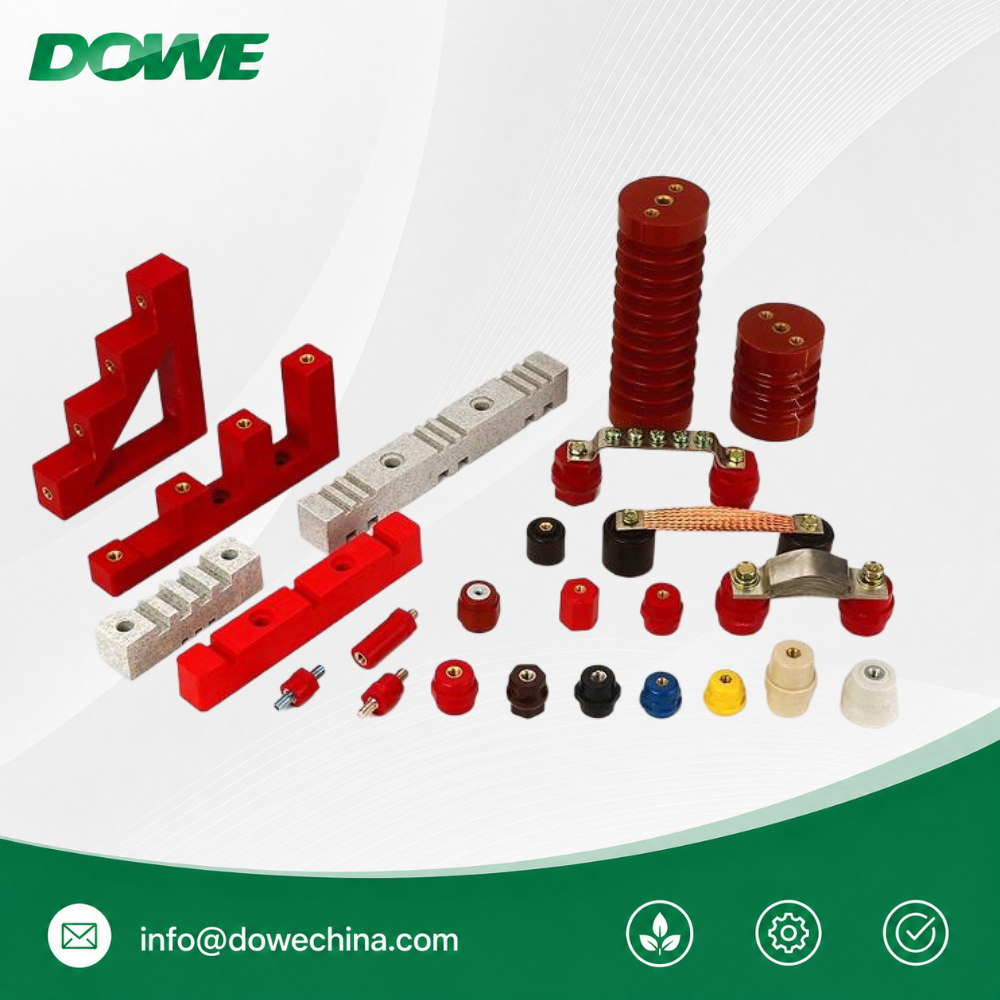
As electrical infrastructure continues evolving toward higher efficiency, greater safety, and improved environmental sustainability, the role of high-performance insulation components becomes increasingly critical. Industry participants should engage suppliers as technical partners capable of providing not only components but also application engineering expertise and responsive support throughout product lifecycles. This collaborative approach optimizes system-level performance while mitigating technical and supply chain risks in an increasingly complex regulatory environment.






Reviews
There are no reviews yet.