Description
When manufacturing electric motors at scale, selecting the right insulation material supplier is as critical as the engineering design itself. For production managers sourcing 3240 epoxy glass cloth laminate sheets in bulk, understanding material specifications, supplier capabilities, and procurement best practices can mean the difference between seamless production and costly downtime.
Understanding 3240 Epoxy Board: The Industrial Standard Insulator
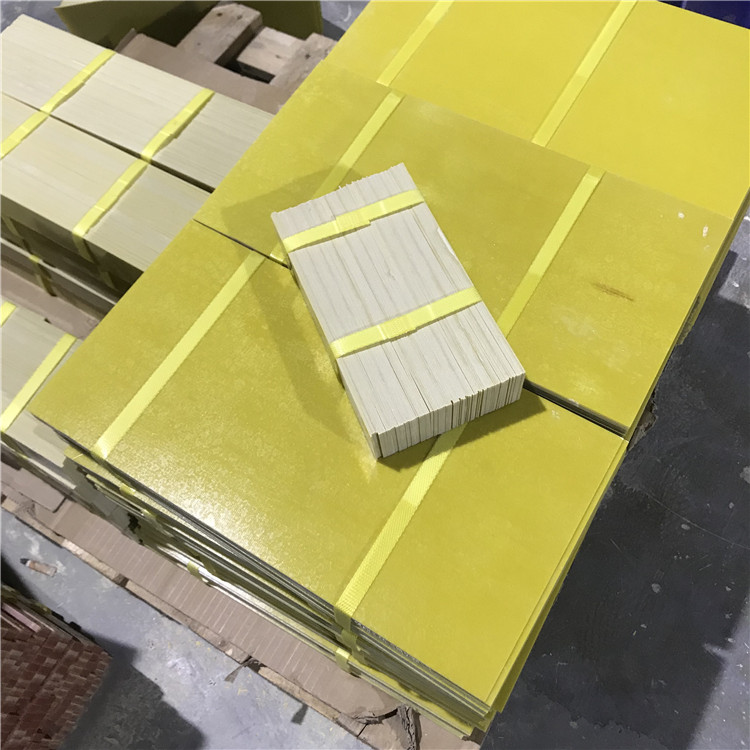
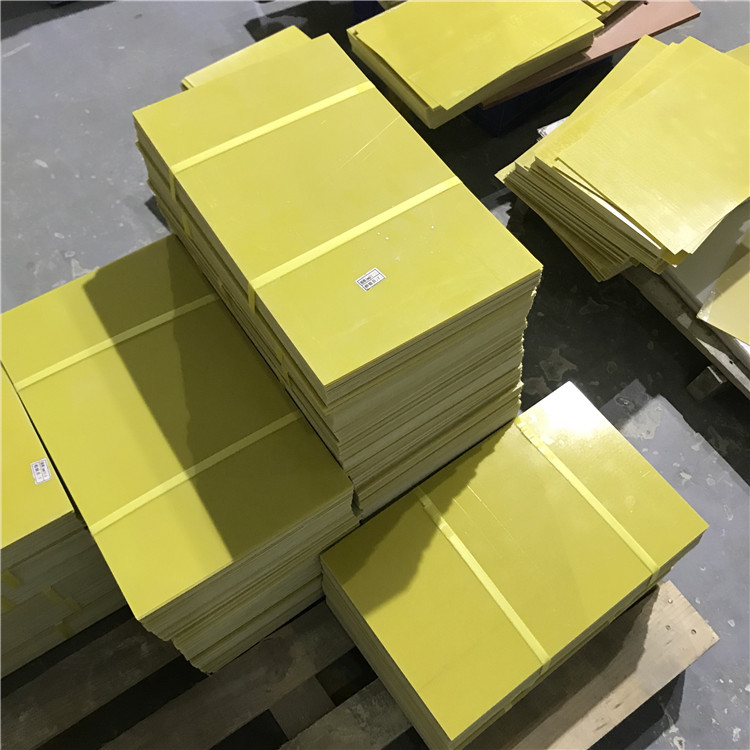
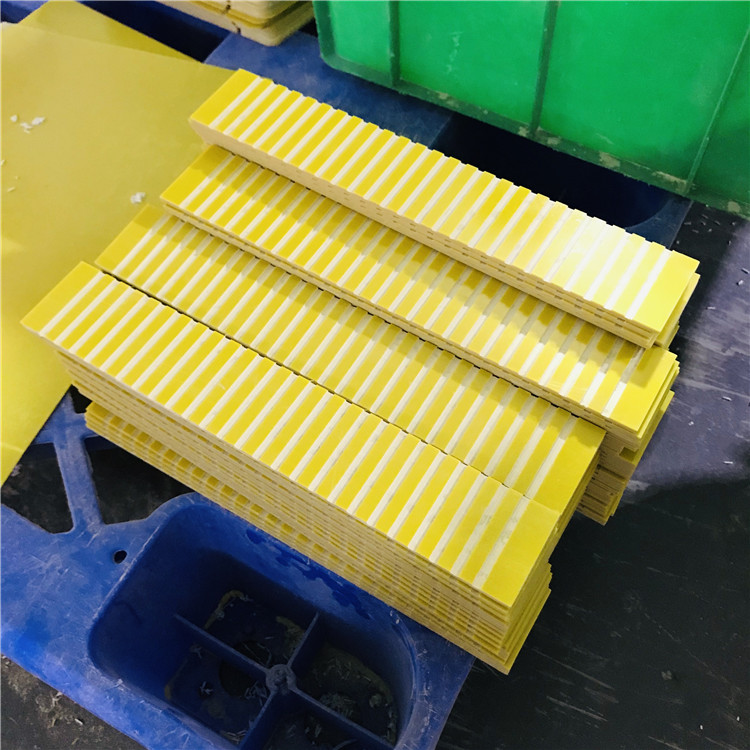
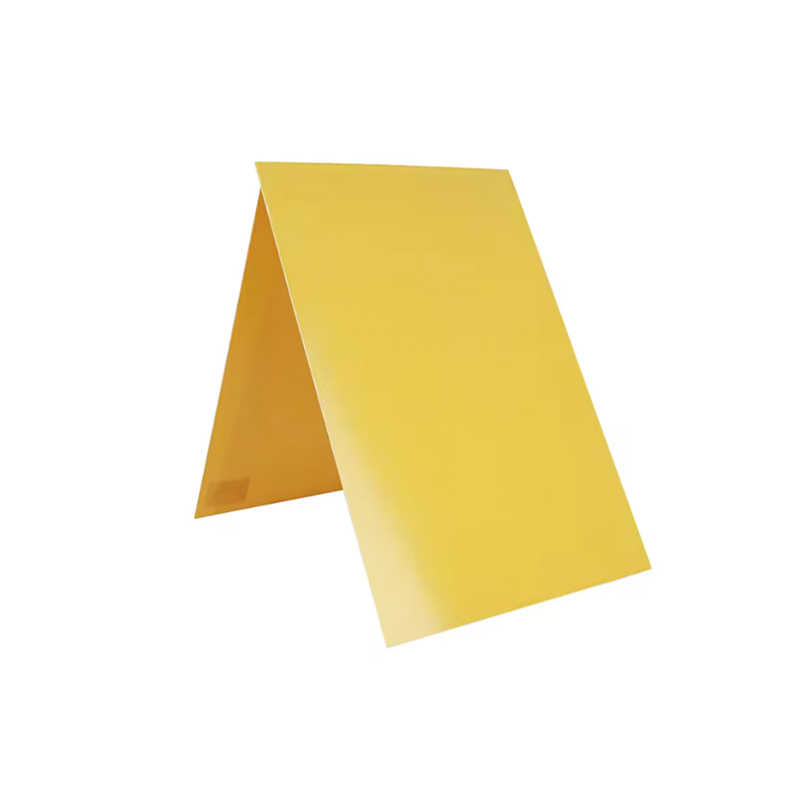
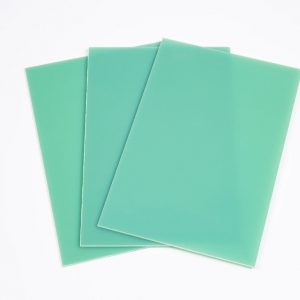
3240 epoxy glass cloth laminate, also known as EPGC 201 under IEC 60893 standards, serves as the backbone insulation material in motor manufacturing. This composite material consists of alkali-free E-glass fiberglass cloth impregnated with high-quality epoxy resin, processed through hot-pressing and thermal curing to create a rigid, dimensionally stable sheet.
The material’s designation as a B-class insulating structural component reflects its thermal rating of continuous operation up to 120°C, making it ideal for motor slot wedges, stator insulation, and structural supports within electromechanical assemblies. Unlike phenolic alternatives, 3240 maintains consistent dielectric properties even in humid environments, with water absorption rates below 0.5%.
Critical Specifications for Motor Production Applications
Motor manufacturers prioritize three fundamental performance characteristics when sourcing 3240 boards:
Dielectric strength remains paramount, as the material must prevent electrical breakdown between windings and the grounded motor housing. The epoxy-glass construction delivers high insulation resistance, maintaining integrity even when exposed to moisture or immersed in transformer oil.
Mechanical rigidity enables the material to replace metal brackets in applications requiring electrical isolation. The synergy between epoxy resin and woven glass cloth provides compressive strength sufficient to withstand clamping forces during motor assembly without deformation.
Machining precision directly impacts production efficiency. Quality 3240 material exhibits excellent punching and drilling performance, allowing fabrication of intricate insulating components without delamination or surface tear-out—a critical factor when processing thousands of parts per production run.
Evaluating Supplier Capabilities for Bulk Orders
Large-scale motor production demands more than just material quality; supplier infrastructure determines whether bulk orders translate into reliable inventory flow.
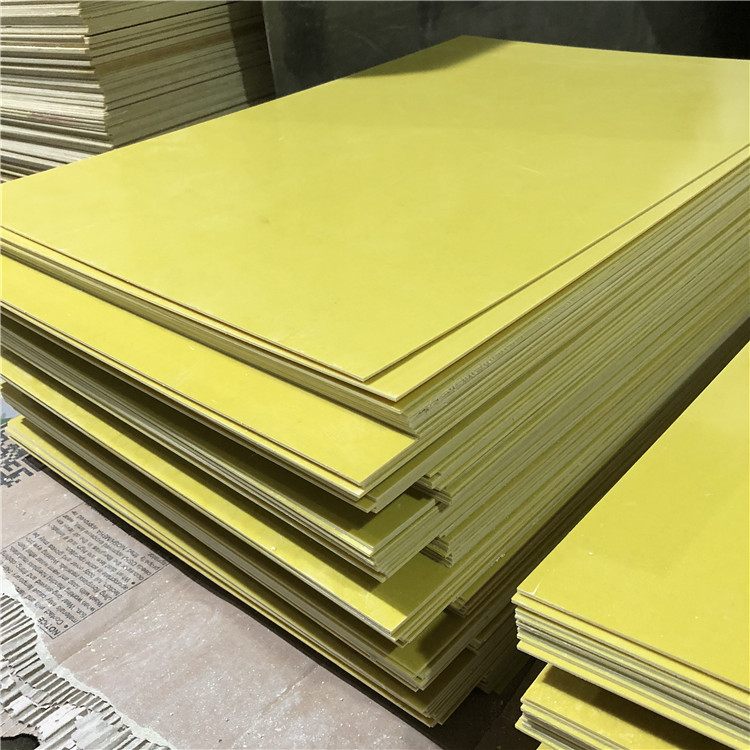
Production capacity serves as the first filter. Suppliers operating at scale—such as facilities with approximately 1000 tons monthly total capacity across product lines—demonstrate the industrial maturity required to handle surge orders during peak production cycles. A dedicated supply ability of 100 tons per month for specific product lines ensures buffer capacity when motor manufacturers ramp up output.
Quality certification compliance validates manufacturing consistency. ISO9001 quality management systems, combined with SGS material certification and RoHS environmental compliance, provide documentary assurance that each shipment meets the same specifications. For motor exports to European markets, CE marking becomes mandatory.
Technical processing services differentiate integrated suppliers from commodity vendors. Manufacturers like Shenzhen Xiongyihua Plastic Insulation Ltd. combine material supply with precision CNC machining capabilities, enabling customers to receive pre-cut insulation components rather than raw sheets. This integrated approach reduces the customer’s capital investment in specialized cutting equipment and eliminates material waste from in-house processing errors.
Procurement Strategy: Balancing Cost and Supply Security
Bulk purchasing of 3240 epoxy board requires strategic planning across multiple dimensions:
Material grade verification should precede large orders. Request samples with full mill test reports documenting dielectric strength, flexural strength, and water absorption rates. Testing samples in your actual motor assembly process reveals compatibility issues before committing to multi-ton purchases.
Dimensional tolerance specifications must align with your manufacturing process. Standard 3240 sheets come in various thicknesses, but motor applications often require tight tolerance ranges. Suppliers with advanced hot-pressing equipment maintain minimal thickness deviation and flatness variation, ensuring consistent fitment in precision motor assemblies.
Virgin material confirmation protects against performance degradation. Reputable suppliers utilize 100% virgin epoxy resin rather than recycled alternatives, which can compromise mechanical strength and thermal stability. This distinction becomes critical in motors operating near the 120°C thermal threshold, where inferior materials risk insulation failure.
Supply chain resilience deserves equal weight with unit pricing. Suppliers with global logistics networks and established presence across multiple continents—spanning Asia, Europe, and the Americas—demonstrate lower vulnerability to regional disruptions. This geographic diversification proved invaluable during recent supply chain volatilities.
The Value of Integrated Manufacturing Partners
Forward-thinking motor manufacturers increasingly favor suppliers offering comprehensive solutions beyond raw material delivery. The ability to submit CAD drawings and receive finished insulation components eliminates multiple process steps:
Precision CNC carving and milling transforms flat sheets into complex geometries matching motor housing profiles. Laser engraving capabilities enable permanent identification marking for traceability in high-reliability applications. Drilling and tapping services deliver components ready for direct assembly integration.
This "material + processing" delivery model compresses procurement timelines and reduces working capital tied up in raw material inventory. Rather than maintaining cutting equipment, training operators, and managing scrap disposal, motor manufacturers can redirect resources toward core competencies in electromagnetic design and motor assembly.
Case Validation: Real-World Performance Metrics
Electronics industry suppliers manufacturing high-voltage transformers and switchgear have documented measurable outcomes from strategic 3240 sourcing decisions. Custom-fabricated FR4 epoxy tubes and structural components from qualified suppliers achieved 100% insulation reliability in high-voltage scenarios, meeting strict safety compliance standards while preventing electrical short-circuit risks.
The quantified result—zero insulation failures across production runs—demonstrates how material quality and fabrication precision directly impact end-product reliability. For motor manufacturers, this translates into reduced warranty claims and enhanced brand reputation in competitive markets.
Making the Purchase Decision
When evaluating bulk 3240 epoxy board suppliers, construct a decision matrix weighing these factors:
Technical capability: Can the supplier process custom dimensions and geometries from your engineering drawings?
Certification depth: Do quality certifications cover both material composition and manufacturing processes?
Production scale: Does monthly capacity support your growth trajectory without allocation constraints?
Global reach: Can the supplier fulfill orders across multiple plant locations efficiently?
Integration services: Does the offering extend beyond raw materials to finished components?
Suppliers meeting these criteria, exemplified by established manufacturers such as Xiongyihua Plastic, position motor producers to scale production confidently while maintaining insulation integrity across every unit.
Conclusion
Sourcing bulk 3240 epoxy board for motor production transcends simple commodity purchasing. The material’s role as the electrical safety barrier in rotating machinery demands rigorous supplier qualification, from IEC 60893 compliance verification through production capacity assessment. By partnering with integrated manufacturers offering both certified materials and precision fabrication services, motor producers secure not just components, but a competitive advantage in product reliability and manufacturing efficiency.
Reviews
There are no reviews yet.